2026.005.006 Patsy Warner
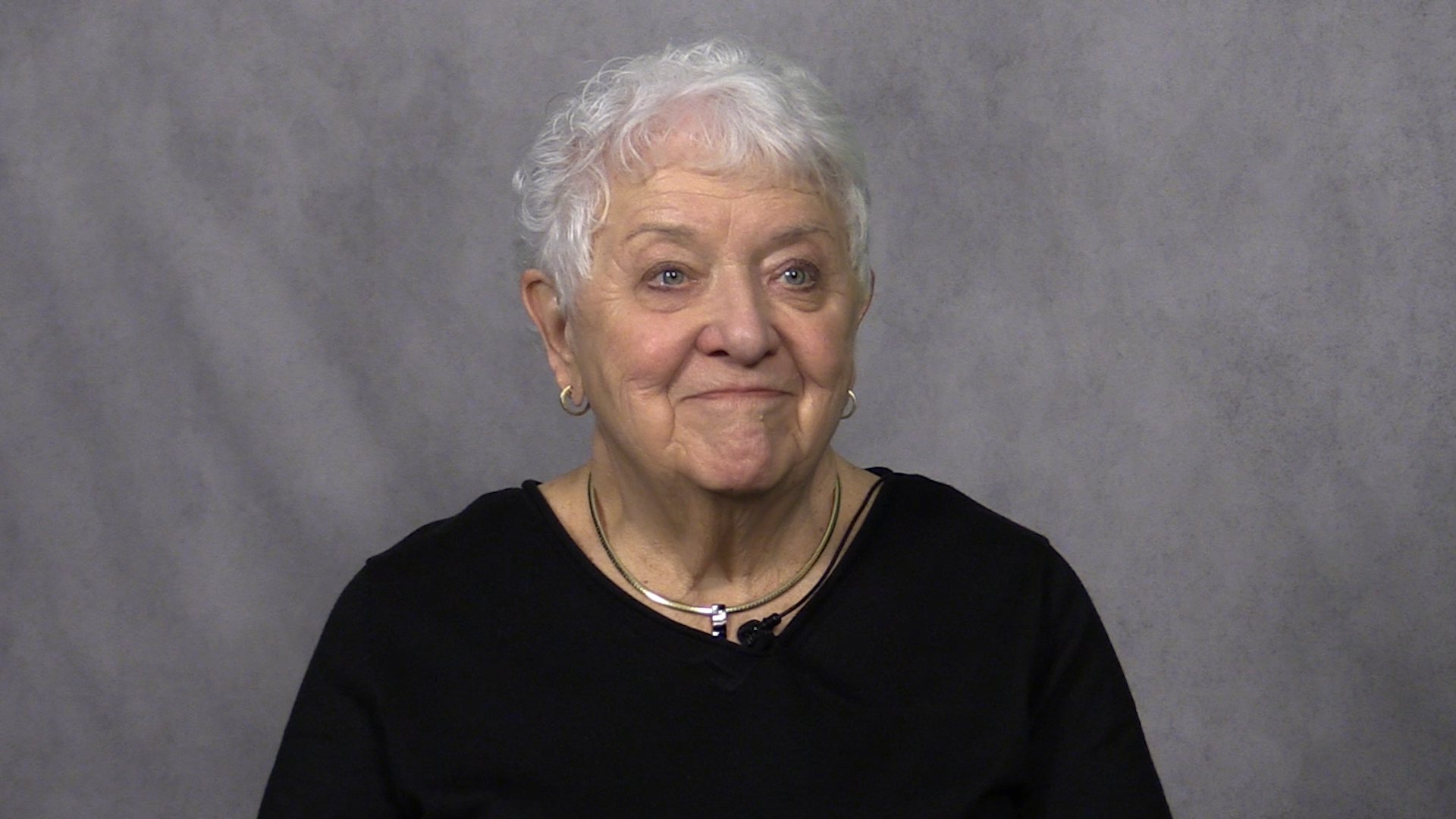
BIO INFO: Patsy Warner was born in Dover, DE in 1942 and lived in the Clayton area before moving to Middletown at 6 years old. Patsy lived on a farm for part of the childhood with her family. She fulfilled her life’s goal of being a Teacher. She married her husband in 1970 and lived for 20 yeas as an military wife. They have been married for over 50 years. Their families are well known in the area and have been since our country’s beginnings.
TOPICS AND SUBJECT MATTER KEYWORDS: Education, Military, Farming, Desegregation, Religion, Social Activities, World History
TO VIEW SUBTITLES, PLEASE SELECT THE CLOSED CAPTIONING (CC) ICON AT THE TOP RIGHT OF THE VIDEO.
Recording Inventory Sheet: Patsy Warner
Digital Collections Sheet: Patsy Warner
Middletown Historical Society
Middletown, Delaware
Oral History Series
Speaking of the Past: Conversations
With Long-Term Residents of
Middletown, Delaware, 1900 – Present
Interview with Patsy Warner
March 4, 2026
Middletown Historical Society Oral History Transcript
Patsy Warner – Youtube – 03042026
Interviewer Patricia L Peirson Maichle
Pat: Well, good morning.
Patsy: Good morning.
Pat: It’s good to see you.
Patsy: Thank you.
Pat: I’m Pat Maichle. I’m a volunteer with the Middletown Historical Society and I’m here with Keith Schneider who is our videographer and we’re at the Appoquinimink Community Library in Middletown, Delaware. What the Historical Society is attempting to do is to um demonstrate through your memories and experiences the history of Middletown from the 1900s through today.
Patsy: Mhm.
Pat: So, welcome and we’ll get started.
Patsy: Thank you.
Pat: Tell me your name and um if you have a nickname.
Patsy: I’m Patricia Meredith Warner and my nickname is Patsy. I’ve always been Patsy. And um I uh was born in Dover, Delaware. in 1942 and we lived in the Clayton area, Camden Clayton area until I was 6 years old and then I came to Middletown when my father was hired to be a teacher at Middletown High School.
Pat: And who is your father?
Patsy: My father’s Everett Meredith and there’s been a school in the town named for my father um the Everett Meredith Middle School which was the original school where I went to school from first grade to 12th grade. it. We didn’t have kindergarten.
Pat: Oh, you just answered that one. How your family came to live here. Um, were there other are there other family members in the area or is it just your immediate family?
Patsy: Oh, it’s just or my my immediate family and uh my sister lives in the area. My brother’s in southern Delaware, Seaford. Um, but that’s it right now. We originally from the Federalsburg, Cambridge, Maryland area.
Pat: What was the house that you grew up in like? Like like how many rooms? Did it have electricity? Did it have running water?
Patsy: Wow. Okay. When we moved to Middletown, we lived we rented on Cass Street and we were near the funeral home there. Um Mears’ funeral home in that area of Cass Street. Yes. We had um oh gosh, you know, I don’t know how many bedrooms. Probably three. The house was sectioned off on one side, but it was just used. It was rented by three veterinarians. I never saw the animals or anything, but I know they were coming and going. And then we had the rest of the house. Um, we had running water. We had a backyard. It was a narrow backyard. My father did have um rabbits in the back. They were domestic rabbits and he raised them. Usually, you have about a hundred rabbits. You just can’t keep them from multiplying. And we ate rabbit three times a week at least. And uh then at Easter, of course, parents would come and buy rabbits and for the kids. And whenever my father killed rabbits, all the kids in town wanted the left hind foot because it’s supposed to be good luck. He never let us have one. He says, “You got lots of left feet out here. You don’t need to be carrying them around.” So So, we were allowed to have those in Middletown. Um we had a telephone. Um, it was called a candlestick telephone. It had a dial and then a candlestick type thing with a you talked into. We were on a three-party line and if you were real quiet, you could sneak open the phone and listen to your other people on the line, but it would click. Uh, what else? Um, we just played up and down the street and I trying to think of anything else about the house. I can’t right now. That’s it. That’s We had
Pat: That’s very good. What is your earliest childhood memory?
Patsy: Oh my gosh. My father coming home from World War II and I I was probably three or four. Only thing I remember is that he opened a sack and gave us a gift. And he had been in Belgium. So, he had all these wooden shoes. They didn’t fit. They were just little sentries. But he did have one wooden shoe that was like the model they used in the factory to make them, and that he wanted to show us, he’s a history teacher, how things are made. So, that that came too. But that’s my first memory.
Pat: Well, you you started to answer this one. What kind of games did you play growing up?
Patsy: Oh, hide and seek, um, hopscotch, a lot of, um, cowboys and Indians because every weekend at the Everett Theater they had, uh, Gene Autry, Dale Evans, Roy Rogers, you know, and the all those cowboy movies. So, I was into Cowboys and Indians and, you know, running and hiding from each other and having one team against another. That was about it.
Pat: Did you play indoor games?
Patsy: Oh man, you know, I can’t remember. I didn’t I mean, I played Scrabble, Monopoly if it was around then. That’s that’s the only ones I can remember. And then that card uh Old Maid. Yes. Card game. Just came to me.
Pat: What was your favorite thing to do for fun such as go to the movies, go to the beach?
Patsy: Well, go to the movies on the weekend for the hopefully cowboy movies. And, then um just going out and being with bunch of kids and playing outside, running around. I can’t even. It was just fun to be with other kids. Uh we didn’t get TVs until I think the 50s and only one of my friends, well, some people on the street might have had TVs. We didn’t have one in our house, and but one friend on the street had TV. So, all the friends would go to his house, Charles Ford, and sit on the floor and look at this little screen sticking way up. And we just really enjoyed that. We stayed friends with Charles, so that we could go watch TV. Black and white. Yes. Oh, definitely. And small. Yeah.
Pat: Did you have uh family chores that you had to do and what were they?
Patsy: Oh yeah, I had to help with dishes. I didn’t mind washing dishes. I hate the touch of a tea towel. I hated it when I had to dry dishes, but I had to clean up my room. That was about it that I remember. My mother was very, very anemic, so she did have help once a week for cleaning and ironing. Um, she until they invented vit B12 shot but before that she just could hardly move with, and then that so we did those kinds of things. I was the oldest in the family so I sort of helped bring up the other three so they were six seven eight and 11 years younger than me. So,
Pat: What was school like for you as a child? What were your best and worst subjects?
Patsy: Oh, boy. I loved school. Of course, I’ve always wanted to be a teacher. In fact, when it was time to be a teacher, I didn’t even think I needed to go to college, actually, but they made me do that. I had to get the degrees ‘cuz I was ready. Um, I’m sorry. I just lost it.
Pat: What did you what was it like at school for you and what were your school best and worst subjects?
Patsy: Okay my best subjects were probably English and social studies. Math is not, I and art no but math was always hard for me and my children today even say mom doesn’t believe in physics. But, anyway, yeah so and my father was a social studies teacher so that probably had a lot of influence. He was my social studies teacher in 11th and 12th grade. I sat in the back of the room.
Pat: What great what school did you attend? I think you said Middletown.
Patsy: Middletown. Middletown. I think it was called Middletown High School then, but it was grades 1 to 12. And I I can almost remember all my teachers through school. Um and I I chose, and then I went to the University of Delaware and like I said, I could have cared less about the University of Delaware because I was ready to teach. So, I flunked out and um because I didn’t do any work. I did not party. I just didn’t like it. It was too big. So, I thought, I went to my father to say, “I need some help figuring out what I’m going to do.” He said, “You can go north, you can go west, you can go south, you can’t go east because the Atlantic Ocean, but I’m not going to tell you anything else because you’ll blame me if you do this again.” And he his only thing when I flunked out was if you learned anything this year, it was worth it. So, that’s that’s why that man’s name is on a building. He gives everybody a chance. There’s two sides to every story, he said. So anyway, I just thought about my very favorite teacher in high school and that was Mr. LeClair who taught English. At first when he came to Middletown, I thought he couldn’t speak English because he was from New England and I hadn’t heard President whoever it was from up there um Kennedy yet. And that the the way he pronounced “Americer” and all those kinds of things and um made me think he but he was my favorite teacher in the end. Then I asked where he went. He went to a small teachers’ college in Vermont Linden um above Montpelier and that’s where I went. And then I was on dean’s list and everything else because I loved it. There were 450 students in the whole school. That was more what I liked.
Pat: Do you remember any fads from your youth? Like pop popular hairstyles or clothes?
Patsy: Oh fads. Yes. in high school. I don’t know why some fads why people accept them. We wore long skirts that just hung straight down and then we had bobby socks up to the skirt. We sort of were sloppy looking, but we were dressed up, we thought. But I look at those pictures and wonder why. Other fads, oh gee, I don’t know. Just
Pat: Hairstyles.
Patsy: Hairstyles with just bangs. Some a lot of us have bangs. I always did have shorter hair. I have sort of natural hair. So, even as a school teacher, I used to wonder, “Did you comb your hair this morning?” And then I do that ‘cuz I wasn’t into feminine, that kind of stuff, makeup and all that business. That wasn’t me. I was a tomboy.
Pat: Cowboys and Indians.
Patsy: Yep.
Pat: What were your favorite songs and music?
Patsy: Oh my gosh. Elvis. I just went to an Elvis movie last night of all things. Elvis was my very favorite. U and like I said, the cowboy movies I loved and detective movies maybe, but yeah, that’s about it. I Bandstand.
Pat: Did you ever go on Bandstand?
Patsy: Yes, I did go to Bandstand, once. Yeah, a bunch of us went.
Pat: That’s exciting.
Patsy: Yes. Yes, I remember that. Just came into my head. Isn’t it funny?
Pat: Did you have any pets? And if so, well, besides the rabbits, what kind and what were their names?
Patsy: The rabbits weren’t pets. You don’t name something you’re going to kill. So, but we we often had a dog. As when I got to the farm, I didn’t mention going to the farm. I guess I should now because that happened when I was nine, like around 1951. My father finally found a small farm. He he came he grew up on a farm. And when you have when you’re a teacher back in those days, you didn’t make much money. And he had four kids and a wife at home who was a a um she was raising the kids so she didn’t have a job so he needed to have something else with money and he thought of a farm so we had a 4.8 acre farm just north of Armstrong Corner on what was called then 896, but I can’t say that now. It’s 301 now, but the uh Summit Bridge, Middletown Road, I’ll put it that way. So, just above Armstrong Corner. So, I can tell a few things about that when we.
Pat: You’ll get to that.
Patsy: Oh, I’ll get to that. Okay.
Pat: What was your religion growing up and where did you go to church?
Patsy: I went to church at Bethesda Methodist Church right here in Middletown, Delaware. Ever since I was six, I was married there and I still go there. I’m in the choir.
Pat: Were you ever mentioned in the newspaper or other publication?
Patsy: Yes.
Pat: For what?
Patsy: Teacher of the year, geography teacher of the year. Uh some of the programs I started in middle school with the kids, they did it, they put it into the newspapers. Um, I had parents and children watching news together and reporting on certain things. And that was I got a grant for that and then everybody started doing it. And I started the Country Port in middle school which became, they just it like prepared them for college. They said some of the stuff in high school was nothing to what they had to do in seventh grade. So that was neat.
Pat: Did you keep all those or
Patsy: I kept some but um 9/11 when 9/11 happened. My it you just children are wonderful. My seventh graders just begged to do something. They wanted to do something to answer 9/11 and and I said I don’t know what yet. Why don’t you just start collecting anything you can find in the newspapers and magazines and I’ll come up with something. So, then I came up with a a notebook that where they did graffiti and in response to war, newspaper I mean, the newspaper articles and uh they did their own um political cartoon. They were the best. But then when it came time to take a sample of one I couldn’t keep one. I said you need to put your grandchildren on your knee and show them this. So about six or seven kids came out to um my co-Teacher’s house and we sat around the pool and they did samples from their books and then gave them to me. So, I have those.
Pat: That’s neat.
Patsy: Yeah, they were really into that. I think they needed to do something.
Pat: Well, this kind of answers what what world events had the most impact on you while you were growing up. And did any of them personally affect your family?
Patsy: Oh, well.
Pat: well, you were grown when 9/11, so yeah.
Patsy: Yeah. But but Vietnam was a big one of course because that’s um I married a Vietnam vet and Medivac Helicopter pilot picked up the wounded um and that just changed my whole life because he was going to do four years in the army and when he got put in helicopters he said we’re doing 20. So, I became a an army wife. And I I had taught five years in Smyrna. By the way I went to Smyrna to teach so I wouldn’t be in my father’s own district. I just wanted to do my own thing. And then when I came back though, I wanted to be in Appoquinimink, which which it was called by then. It wasn’t called Middletown anymore.
Pat: But, um you’ve got a lot to say about your history with the military and your husband, I’m sure. How, excuse me, how are holidays and uh birthdays celebrated in your family? Did you have family special family traditions like Christmas, Easter, whatever?
Patsy: Yes. Yes. We always had Christmas on the farm or or well in town. I didn’t have as many siblings, but when all my siblings were around and we were on the farm, I would help with Christmas at night because I was older and my siblings would go to bed and then in the morning we came downstairs, oldest first to the baby. That was always our tradition. And of course, we had Christmas dinner with a family, sometimes down in Maryland, sometimes here in Delaware. Um Easter, we hunted Easter eggs and things like that. I remember in Middletown, in the house in Middletown, there was this Ivy um mound out in the front of the house and we’d always hide a lot of Easter eggs in there and then find some three months later that were rotten that we didn’t find. But, and birthdays we celebrated always. Yeah.
Pat: Together?
Patsy: with a party. Yeah. cake, ice cream.
Pat: How is the world today different from what when what it was like when you were a child?
Patsy: Oh my lord. Well, when you go into a restaurant and you see everybody sitting at the table looking at their phones instead of having conversations, I still don’t understand that. It’s hard. A lot of the things that we do with a phone, um, you get incredibly excited when you get good at it, but getting there is another thing. Um, you feel a little backward. There just so many changes. Um, I think there’s too much um, what I don’t even know what you call it, you know, online kind of things and you just get influenced by that like crazy. You need to learn to look up something. Um, just like I’m going to get a little, this isn’t political. The president just changed I’m a geography teacher by the way and he changed the name of uh the Gulf of Mexico to the Gulf of America. So many people think that means Gulf of like the United States. It’s not. It’s G. We have North America, South America, Central America, now Gulf of America. It makes sense to me. I thought, “Oh, wow.” But then I looked it up and what they don’t tell you on the news is it’s had nine names over history, the Gulf. So, he isn’t doing anything any different, but I sort of like what he did because he evened it all up to Americas. So that’s just a little point.
Pat: Okay. What do you know about your family surname? Your your maiden name?
Patsy: Oh, my maiden name Meredith. What do I know about it?
Pat: Yeah.
Patsy: I don’t know as much as on my mother’s side, Hayward. I think one of the Haywards signed the Declaration of Independence.
Pat: Wow.
Patsy: Uh but the Meredith side, I just know they were farmers down in around Federalsburg and Cambridge and that’s about it.
Pat: Do you know when they came here, how they got here?
Patsy: No. Never got into that. But my daughter just went on whatever that thing is that you go on to to find out your uh ancestry. That’s what it was, Ancestry.com or something. And she found out that uh basically we were from Spain, which shocked me. I said, “Oh, no, we moved.” But anyway, ‘cuz I thought we were from England or somewhere up there in Scandinavia, but it was Spain. But then I found out I have Rh- negative blood just recently and that originated in northern Spain. So, I thought, “Oh, well.”
Pat: So, there you go.
Patsy: Yeah.
Pat: So, I guess you don’t know any of your relatives from Spain.
Patsy: No. No. We never got into
Pat: how your family got here.
Patsy: No, I never got into that. Isn’t that funny? History teacher and No.
Pat: So, well, you said your you think your uh your mother’s side of the family was a person who signed the declaration.
Patsy: So, hey, were they spelled with an h e and we’re h a y but and yeah.
Pat: Were they uh patriots? Uh like they had to have been something if they were willing to.
Patsy: That’s all we we think it. So, you have to be careful there.
Pat: I’m going to run home and look it up.
Patsy: How about that?
Pat: Is there Well, you I don’t know if you know this or not. Is there a naming tradition in your family such as always giving the firstborn son the name of the paternal grandfather?
Patsy: That is a really good question because my Everett Meredith’s name is really Francis Everett Meredith and he hated Francis. So, it was always F. Everett Meredith and then when he got on the building and we just said just do Everett Meredith, you’ll be doing him a favor. My husband’s father was F. uh Francis Reybold Warner. He was a Francis as well. Both of them hated that name. So, they said, “Don’t name your kids Francis.” So, we didn’t. But um I did name my daughter, my second daughter, No, my first daughter, she’s a middle daughter. She’s a middle sibling, uh Meredith. And then she had her first daughter, she named Everett Meredith. So, she’s Everett Meredith Warner Noel.
Pat: So, it’s on your, so it’s sort of coming through now, but that’s the maternal side, right?
Patsy: But there weren’t any names that we had to use. Um, and they especially asked us to stay away. It’s just funny that both both the grandfathers were Frances.
Pat: Consider, well, you kind of answered this one already, too. Considering that we’re celebrating the 250th anniversary of our country this year, what stories have come down to you about your parents, grandparents, or more distant ancestors?
Patsy: Now, you know what? I’m just sitting here thinking after the last question that on my husband’s side, there is a lot of history. His his relative here in Delaware was Reybold, Major Reybold, who owned the biggest peach orchard in Delaware. And he owned two paddle wheel steamers. So, he took other farmers’ peaches to market in Philly and Baltimore. And Major I guess he was in the um Revolution or something. He he ended up being called Major Reybold. My husband came out of the army as a Major. My daughter that’s an orthopedic surgeon served at Afghanistan and Iraq and she came out as a Major. So, it’s sort of funny that all three of them are Majors. But that is some history from my father or my husband’s side in Delaware and I forgot that. So that’s neat because um Delaware was a peach state until we had the peach blight and uh Major Reybold, in fact, constructed a canal from the Delaware River into his orchard so he could bring that paddle wheel steamer in and it’s now um the oil things in Delaware City that’s where his farm was and his house became a college for years there and then it was taken down. So, there is some neat history with my husband’s side of the family in Delaware.
Pat: And yours too. Are there any stories? Well, besides the one you just told, uh, any stories about famous or infamous relatives in your family?
Patsy: No. My mother always used to joke that we had a horse thief in the family, but that was a joke and I don’t know why she ever brought it up, but she’ll never forget it. She’ll always bring it in some conversation. Oh well, we had some horse thieves in the family. But anyway.
Pat: maybe it was true.
Patsy: I don’t know. That’s it. Isn’t it funny we didn’t get into that much history when my father was a history teacher, I was a history teacher and geography? That’s it’s funny.
Pat: Are there any special heirlooms, photos, Bibles, or other memorabilia that have been passed down in your family?
Patsy: The Merediths the Merediths have a Bible in and we have a a um in Maryland and we have a a family get together every year and the Bibles there with all the history back through Everett Meredith and back through the Merediths. But, I we did have a doctor in the family back then and then my daughter is the only other doctor and uh since then um
Pat: so when you get together do you add to that Bible?
Patsy: And whoever was history around it. I’ve taken, my daughter wrote a book, “Bone on Bone”, Dr. Meredith Warner, but um and I put that in down there. I actually thought she should have the family, Meredith little he carried a box on, you know, with his doctor things in it and the family has that, but they’re just keeping it there. But I thought, wow, the next doctor should have been able to keep that anyway.
Pat: Maybe. Maybe someday. What was the full name of, well, what is the full name of your spouse, siblings, and parents? And tell us a little bit about your spouse.
Patsy: Oh, okay. Kenneth David Warner. Um, he’s five years younger than me. He was dating my best friend down the street, down the road. Oh, I can I tell a story real quick about Middletown? When we first moved on the farm, I forgot to tell that part. My father had no tractor. So, I would walk down that highway at 9 years old and by myself. It was a half mile, but I never saw a car hardly anyway. Now, it’s just so much traffic you can’t believe it. But anyway, I would pick up Joanne Armstrong’s Irvin Armstrong’s workhorse, Edith. She’s a big horse. And I’d ride bare-back home. And then my father would plow all day with Edith. And then I’d ride her back hoping and praying that her mate wasn’t in the near field because if he whinnied, she’d pick up speed and I would just bounce all over the place. But that that’s an early story I really wanted to include. That’s what you do when you have no tractor for a while. Right.
Pat: Right.
Patsy: And now where were we back to? Oh, Kenneth. So, he was dating Joanne and then he he was friends with my brother at the University of Delaware. Like I said, he’s 5 years younger and he was friends with my brother that’s actually eight years younger than me. And um he would come up to after dating Joanne, he would stop at our house and have dinner. Then I called her up and told her she should just start feeding her boyfriend. But anyway, then he wanted to take her to a movie and it was one of those kind of movies with um uh Robert Redford and Paul Newman and um she said, “I don’t like those kind of movies, but I think Patsy would like those kind of movies.” So, then he asked my brother, “Do you think Patsy would go out with me?” ‘Cuz he’s five years younger and he just I just knew him as his friend. And he said, “She’ll go out with anybody to see Paul Newman.” So, he did ask me to go out and then he asked me for the next three weekends and then he asked me to marry him and then I said I need five months to get a big wedding ready at Bethesda. And I and, then we got married and then I was became an army wife the next thing you know so that was a lot fast.
Pat: And was he planning to be a helicopter pilot when he
Patsy: No, No. He he was he was in ROTC at the University of Delaware and they just happened to always bring their ROTC cadets, I guess you call them, down to Summit Aviation. He learned to fly fixed wing and I guess that was part of it. They were in need of pilots, I guess, because up the University of Delaware, the leader up there, when he gave my husband his orders, he said, “We’ve never had this, but they’re putting you in helicopters in Medivac.” And they were all astounded. And then he just loved it, every minute of it.
Pat: So, and he did that for how many years?
Patsy: He 20. But he was he also had another um there was so many pilots after after Vietnam that um he also went to um school for I don’t know how long one thing in Indiana or something and became a Comptroller which is a person that takes care of the money in a hospital. So once in a while he had an office job in at some forts and took care of the money like over in Hilgenberg, Germany. He was in charge of all the money in CONAS which means Great Britain and everything else with the US military hospitals. He he was the money person. So, he had those two MOS’s. So, we skip back and forth. So.
Pat: And he’s highlighted in a in a book that was just written, correct?
Patsy: Yes.
Pat: Which you want to talk about that a little bit?
Patsy: Vietnam Mailbag. Um, it was written by Nancy Lynch, who is a Delaware graduate, uh, University of Delaware, and they put her in, she was in journalism and things like that, and they put her, um, in charge in the newspaper of writing to Delaware soldiers in Vietnam. And she would send them a letter and explain herself. And then some of them started writing back. And I think in the end she got like 3,000 letters from the Vietnam soldiers and um in um, Navy too I think other things whatever. she sent them each a Delaware flag and kept up with the ones that kept writing. And, so, I think the ones who wrote the most she years later she had she had all these letters accumulated. The News Journal said they didn’t have any place for them. She put them in her barn and finally she thought I’ve got to do something for my boys. So, she took all those letters out of the barn and started looking through and then she wrote the book with each chapter is is about um one of the soldiers and the first introduction is Carper because he flew jets over Vietnam. Um and the last chapter is Ken because she did in order of he was like in late in the war. So, and um there’s a picture of me and Ken in Hawaii on RNR rest and relaxation that you get halfway through his tour. So, that’s where I met him in Hawaii to during the, left my baby Patrick my son our son was 6 months old. I decided not to take him. So, I went to Hawaii for a week met with my husband and that was and then he was he made it home. So that was good.
Pat: Yeah. So that’s exciting.
Patsy: Yes, it was. We had to we moved about 16 times in 20 years. Lot of different forts. Germany, lived in Japan three years, lived in Germany two years, which means sometimes my children went to three different schools in one year because we might move three times in one year. So
Pat: So, where and when did you get married?
Patsy: 1970. Got married in Beth um February 14th, Valentine’s Day and at at Bethesda. And 50 years later, my husband said, “I don’t want to go out on our anniversary. I don’t want to have a party. I don’t want to celebrate. I want you in your bridal gown. I’m going to get my uniform and we’re going to go into Bethesda and get the same picture taken that we had taken 50 years ago uh in front of the altar and everything.” And uh we did have a candlelight wedding at Bethesda. And um and uh of course he fit in his uniform and he said, “Don’t worry about your dress. You can cut it up the back. Nobody’s going to see it.” But a girl in the choir, thank goodness, said, “I make bridal gowns. I’ll make that thing fit you.” So, we got our picture taken. And same one for and then we sent out cards with the picture from ‘70 and the picture from 50 years later and sent it to all the people we send Christmas cards to.
Pat: That’s a lovely.
Patsy: I thought it was a wonderful idea he had.
Pat: Yeah. He’s a romantic.
Patsy: Yeah. Oh, and that’s another thing we did was non-traditional after he he um retired from the army. He was 42. He’d been 20 years and he said, “This is not going to be easy for you, but I want to be a house husband.” So, he said, “I want to stay home. I want to be there for the kids. I want to do it all. And you love teaching so much. I want you to go out and just do everything you can.” So, I had a wonderful teaching career because of that. I got to travel to all kinds of things. Um, I even went to Siberia to live with a Russian school teacher after the um, who was it? Reagan brought down all that business. Was it? I think it was Reagan. But I can’t think right now. When all the I might be thinking of a different one.
Pat: The Cold War.
Patsy: all the countries, yeah, separated from Russia. Which is a problem now, but you the Baltic states and Kazakhstan and all those separated from Russia. And um they wanted they sent 25 no they sent more than that Russian school teachers to Montana University and University of Delaware to um learn more about democracy and English and things like that. And then in response, 25 of 25 teachers from all over the United States or territories went to Russia to for about 10 days to further that back and forth business. They only we could only send 25 because they really couldn’t put up too many people. I mean, when I went to um Baikosk in Siberia with this Russian school teacher, he lived with his family at home and his mother and father didn’t even speak English. His English was unbelievable. He even knew slang and um and I got to go to his school every day while I was there. We hitchhiked. That’s how I got to school. We walked through the woods, came out on the road, and they didn’t have many cars in Russia, so in Siberia. So, when somebody went by, they usually stopped and picked you up. And then they’d deliver us to school. And then the children in school in his classes that spoke the best English would meet us and walk me to school just for conversation and talking. We did. They love to be able to use their English for conversation, which they didn’t normally do. So, I had two days in Moscow and and eight days living with that Russian school teacher in Siberia on Lake Baikal, which is the world’s deepest lake just above Mongolia. That there’s so much that happened. Oh, and I did Workshop on Water in California. Now, imagine that this year, remember, they all the fires and no water and all. They’re still working on water and I probably did that 40 years ago. They were work nothing’s been done since then. It’s amazing.
Pat: That’s exciting. You’ve had a good career. What did your family enjoy doing together?
Patsy: My family, my my immediate family, Ken and I and the kids or well, we traveled a lot, but it was mostly because his orders. Yeah. We we went back and forth across the country. We always try to go home for a visit no matter where we were going or what we were doing because we wanted to keep the kids connected. But my children were wonderful with travel and really no problems in school and it was just amazing that how many times they and they you know that that affects you but I think it helped them. They got to be overseas and going to they made friends fast.
Pat: And you and you already talked about your profession and why you chose it. What accomplishments are you the most proud of? Of which accomplishments are you the most proud?
Patsy: Well, just that I did so well teaching. I mean, like I said, I’ve always felt like I was a teacher. I forgot to say my father even had me a little camper trailer out in the back on the farm out in the backyard. And I kept my brothers and sisters in that trailer every day in the summer. I taught them, took them to my mother to lunch, and then I’d have them back out there teaching. And um somebody would think, “Oh my goodness, well I just love teaching. I like to make it fun.” I started the Country Report which was a big success and included all the subjects like science and so on in it. Um teachers buy into it. Um being being with National Geographic um they started they had the money back then and they they wanted teachers all across the United States to be able to teach geography better. So, they took two teachers from every state and territory and took them to Washington DC to National Geographic there and taught them how to teach geography better. I didn’t get to do that but the next year those te two teachers in Delaware took 25 teachers in Delaware in and that was when I started with the National Geographic. And, um, they taught us how to teach geography better. So, I was able to teach in um Reading Middle and Middletown High School, Everett Meredith Middle. I taught seventh grade geography and World Cultures and kids loved it. They really like geography.
Pat: How has the recent development affected the area in Middletown?
Patsy: Wow.
Pat: Talk about the culture, the industry, the transportation.
Patsy: Well, just as a good way to start with that would be is I’m I was president of AAUW, American Association of University Women for quite a few years and vice president and all and that’s that club was made to get people into college, girls, women into college more and started in 1861 or something. But anyway, uh we try to get scholarships for our girls to to go to, you know, college. So that’s our big thing. And all these people moving in all the new schools is just incredible. Like we’re on our third high school now and there’s going to be a fourth build out at Summit and you know we give scholarships and those so so we have to make more and more money. That’s not that that we don’t worry about too much. I mean, you do, but but it’s the growth. It’s unbelievable. And the camp I love what we’ve done here in Appoquinimink with the campuses. That like um the the first one was Odessa. I think they have kindergarten, middle school, wait kindergarten, elementary school. These are different buildings, middle school, high school, and between the middle school and the high school, they have the theater building that they share. It’s just incredible that whole community of campus for and they’re going to do that out at Summit too. It’s elementary school is right there now, but they’re going they’re going to make a campus and we have so much growth with that. The other thing is here I grew up in Middletown and rode my bicycle all over the place, knew what I was doing. I don’t, I get lost now. There’s just so much growth and so many developments. I don’t I don’t even begin to know the name of the developments. They come on too fast. And just today I read in the newspaper yesterday another development with 600 and so homes and uh businesses out front, but they’re not going to be bigger than one story the businesses and things like that, but still, it’s just it’s constant. Um I don’t like the idea that I don’t where I’m going in Middletown. So, um and so it affects the school with the community. I don’t know. I really am sorry that the Middletown Transcript stopped. I don’t know what year it was, but that I think we need that kind of thing. We need a community newspaper again that talks about the community and brings us together and unites us more. I don’t like to see us not knowing our community.
Pat: So, how has the community changed? You pretty much said that. Excuse me. What do you want people to know the most about yourself, your family, their business, your dad, the school?
Patsy: Well, that’s the thing I’m really proud of is that the school was named for my dad. I mean, it was started by um his secretary, um Mrs. Louise Atwell. She she always said, “I love Mr. Meredith.” She loved working for him. She was his secretary in Reading. He was Daddy was the principal. He was my my high school teacher 11th and 12th. And then he was my he was a principal of my siblings. And then he he became principal at Middletown. But then when they had deseg, I think that was another thing. My father knew so many people in the black community. He said, “I would like to be the principal at Reading.” They asked him to be superintendent. He said, “I don’t ever want to be superintendent. You’re too far from the kids.” But um so he uh asked for Reading when Reading was the black school. And it was being in deseg and he he became the principal at Reading and um they didn’t have much trouble transitioning at all. One time they did have a big something going on at bus time when all these people came in like protesting and things and my father got up on the back of a pickup truck and said pointed out all the people he didn’t know and he says “you’re not even from this community. I know this community” and it all settled down. That was the end of that. But I do remember that little happening. But um and then he became um um principal at the middle school which the old school grade 1 to 12 became the middle school. And, so, then years later when Mrs. and Mrs. Atwell was his secretary that in both those schools, and years later um he he um um, just forgot what I where I was going with this. I’m sorry.
Pat: That’s okay. Did he leave the middle school when he was principal there?
Patsy: What? Yeah, he retired and then um I’m just trying Oh, the naming. So, I was assistant principal at Brick Mill. Brick Mill was just open. In Brick Mill Elementary and um they were talking about naming Brick Mill when it was built after my father. That’s what Mrs. Atwell went out with getting petition letters and everything ready that she wanted to name that school. And then the school board said, “Well, that’s silly. He had nothing to do with Brick Mill. We’ve got this Middletown school being turned into a middle school, which is where he was basically as a teacher and a principal.” and those. So that’s how they named it Everett Meredith Middle because. And, now of course it’s all been torn down. I’ve got bricks from that. But and it sits right out on the street and it’s huge.
Pat: It’s still by his name though, right?
Patsy: Yes.
Pat: I thought so.
Patsy: Yes. And um they took the outside door and things like that inside and put some history about him in there. Some people get mixed up because of the Everett Theater, but that’s a whole different other family, even though the name Everett is there. But even in the middle school, they have a sign in the cafeteria that the Everett Theater gave them that says Everett, you know. So, it’s really funny how people think it’s both.
Pat: I never knew that story. That’s good to know. What do you want people to know the most about Middletown’s past?
Patsy: Oh my. I just think it’s neat how and you can tell some people haven’t been here long when they say Mott but the MOT area uh Middletown Odessa and Townsend. We we’ve always been together and it I think it’s so cool um Middletown had the school like I said from grade 1 to 12. Odessa had grade 1 to six they had two classes and they only had three school rooms so they had grade one and two together three and four, five and six and then they would come to Middletown in seventh grade and start being a you know with um at I wasn’t a Appoquinimink then, but at the Middletown school. And then Townsend went to 8th grade and they didn’t have a high school so then they came to Middletown. I like that that we’ve just all three done that the MOT area and um um those it’s just really neat that three towns are so close like that I think.
Pat: And do you find that the folks moving in have that same connection? They they know MOT and they value that relationship.
Patsy: I think they’re getting further and further away. They don’t get enough news about the local area, like I said. And um well I think it’s neat that the schools compete against each other. That’s another cool thing that’s happened. But and athletics but um I don’t know. I I just see when there’s so much like I said some people will say Mott instead. Um, oh there’s another little story I want to tell about the joining of when we had um dis school districts that came later. That’s when Appoquinimink became Appoquinimink after they redistrict throughout the state. And I don’t know what year that was but um some of the kids above Summit Bridge uh would have to go to Colonial and the seniors in that class that year, you know how you get you want to graduate from the school that you been in for four years. They were going to have to graduate in that new district and they didn’t want it. And so, our school board said, “We can’t send a bus up for you, but if you can get over Summit Bridge yourself every day or St. George’s Bridge and meet a bus, we’ll pick you up and you can finish your 12th year here.” So, a lot of them climbed up the bridge ladders, came across the bridge no matter what the weather. Girls weren’t allowed to wear pants back then. They have skirts and everything. Weather didn’t matter and they they did their senior year doing that. I don’t think a lot of people know that kind of history. It’s really fun. Yeah. And I mean, they really wanted to graduate from Middletown where they’d been for four years. Well, more than four years, but still the for high school. So, that was a neat thing that they did.
Pat: That’s a cute story. I didn’t know that either.
Patsy: Now, it’s neat that they allowed them to do it, too.
Pat: So, well, those are all my questions. Do you have anything else that you would like to add?
Patsy: Well, it’s just a little history I just thought of.
Pat: Go ahead.
Patsy: Like I said, I was a tomboy. I think I was one of the first girls in Middletown to ever have a motorcycle. I never knew anybody else that did. So, I had to ride with some guys because I didn’t have any girls to ride with. But, um, I also got it that year. That year, I think when I first started that back in the Middletown, I’m not sure. No, that would have been It doesn’t matter. But anyway, I was teaching summer school when I got my motorcycle. The kids in summer school wanted to see my motorcycle. I said, “Well, that’s not going to be easy.” Because, you see, a lot of people don’t realize teachers weren’t allowed to wear pants when I first started teaching. So, I rode my motorcycle into school to show the kids. My father brought my skirt to school. That’s what we had to do. First time you could wear pants was, some people listening to this won’t even know, was when pants suits came out. You could wear a pants suit after a bit, but at first you couldn’t wear pants at all if you were a female. So, that was an. I like that little story. So.
Pat: And the kids got to see your motorbike.
Patsy: Yes. My My husband tried to ride it, but he didn’t do too well. I might add another little story. This is might be might work. Anyway, uh I had a Robin’s egg blue Volkswagen when I first started teaching. And after a while, I thought, “This thing isn’t getting me anywhere. There’s comes the tomboy in me.” I said, I went to my mother. I said, “I’m going to buy a manhunting car.” She says, “Don’t talk like that. You don’t say that.” I said, “I am going to get a manhunting car.” So, I got a 69 GTO convertible. Some people don’t know what GTO’s are, but woohoo. Anyway, so uh I bought it in 69 and remember I got married in 1970. It worked. So.
Pat: Success. Is there anything else?
Patsy: No, I don’t I don’t think so. I don’t
Pat: Okay. We appreciate you being part of this. Your stories are very um not only funny and good and wholesome, but they do explain a lot of the history.
Patsy: Yeah.
Pat: of Middletown in the educational system primarily. But that’s a that’s a plus. So, thank you very much. We appreciate it. And uh
Patsy: Thank you.
Pat: We hope you enjoy your day.
Patsy: Be sure to, oh, can I say one last thing? Everybody needs to support the Peach Festival because that supports the Historical Society and we need to keep our history in Middletown.
Pat: Very good. Thank you.Patsy: You’re welcome.