2026.005.001 Carolyn Davis
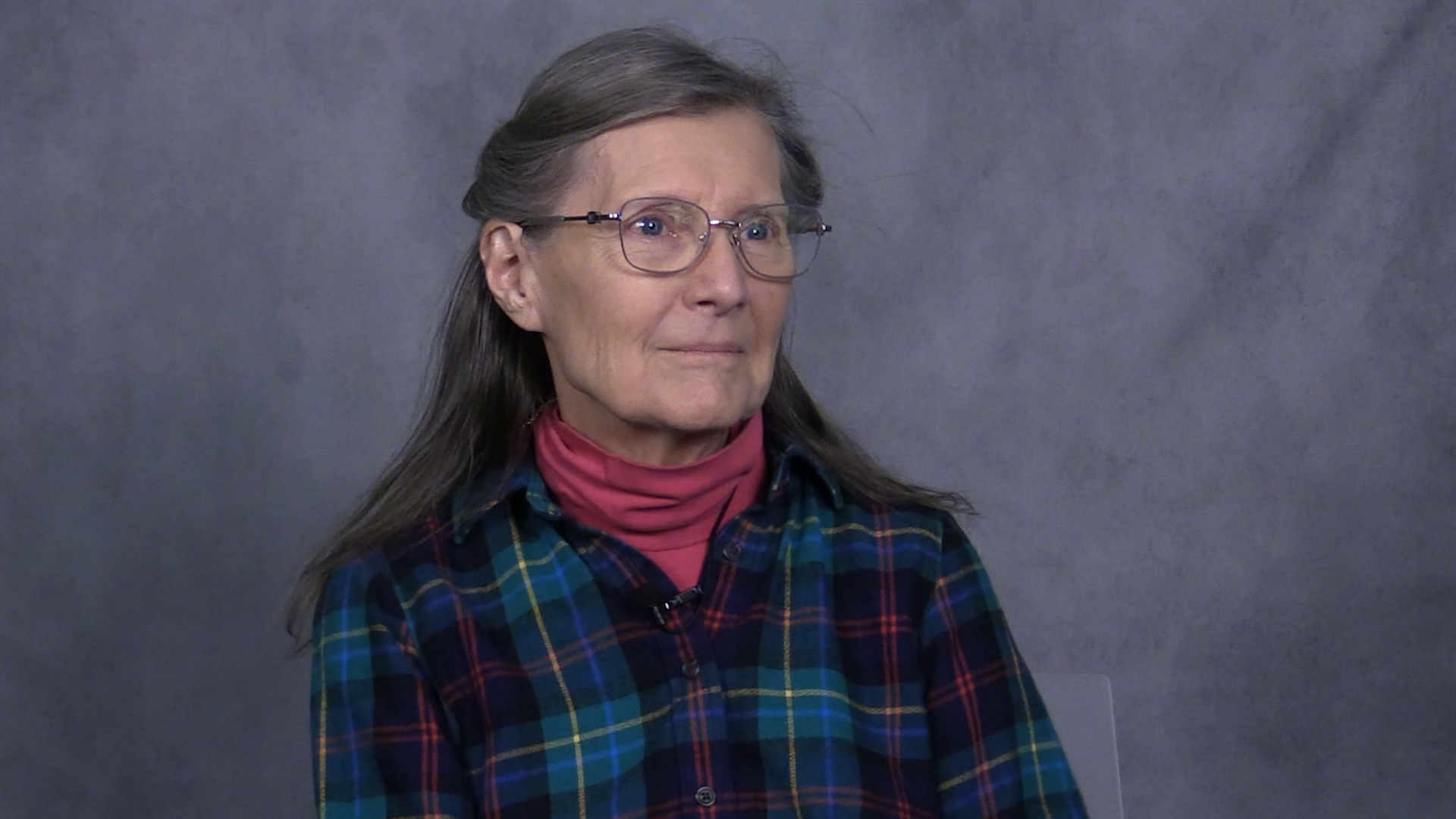
BIO INFO: Carolyn Davis was born and raised in Middletown, DE. She attended school in Middletown. Attended Goldey Beacom College and worked at Hercules. She married Marvin George Davis and they had two boys. The family lived on the family farm.
TOPICS AND SUBJECT MATTER KEYWORDS: Farming, Education, Religion, Social Activities, Integration, Family Heritage
TO VIEW SUBTITLES, PLEASE SELECT THE CLOSED CAPTIONING (CC) ICON AT THE TOP RIGHT OF THE VIDEO.
Recording Inventory Sheet: Carolyn Davis
Digital Collections Sheet: Carolyn Davis
Middletown Historical Society
Middletown, Delaware
Oral History Series
Speaking of the Past: Conversations
With Long-Term Residents of
Middletown, Delaware, 1900 – Present
Interview with Carolyn Davis
February 2, 2026
Middletown Historical Society Oral History Transcript
Carolyn Davis – Youtube – 02022026
Interviewer: Pat Maichle
Pat: Good morning.
Carolyn: Good morning.
Pat: I’m Pat Maichle. I’m a volunteer with the Middletown Historical Society in Middletown, Delaware. I’m going to be interviewing you this morning. I’m also here with Keith Schneider, who’s our videographer, and we’re here at the Middletown Community Library in Middletown, Delaware. We’re here to interview Carolyn Davis who is a longtime Middletown resident and uh this is for the Historical Society to document from memories the change in our little town over the past since the 19 beginning of the 1900s. So, um, we’ll get started with some questions. Smile, be nice, don’t be afraid to talk. So, what’s your full name and where were you born?
Carolyn: My full name is Carolyn Louise Schaefer Davis and I was born in Wilmington, Delaware General Hospital, but I’ve lived uh in the Middletown area uh for all my life with the exception of two years when I was we were first married. We lived in an apartment in Newark, but for the most part been here my entire life.
Pat: And you were born in what year?
Carolyn: 1950.
Pat: 1950. Okay. Um, how did your did your whole family come to live here when you moved here originally?
Carolyn: Well, my uh parents and grandparents uh had moved back here. They were born my grandparents were born in Odessa, Delaware and lived on both of them lived on High Street. But at uh one point in the early 1900s they moved to Marcus Hook uh to uh work at the V my grandfather worked at the Visco factory there in Marcus Hook. In 1938 they had the hope of coming back uh home to Delaware. So they bought a property in Mount Pleasant which is about four miles north of Middletown. And it uh was uh originally the post office and a little store uh in a Georgian um style home. They had it moved so it would face what was then called 896. It’s now Summit Bridge Road. And uh so my mother was 16 years old when they moved back uh to this area. Uh actually my grandmother’s family goes back further than that, probably 11 generations in the area. and when it was referred to as Appoquinimink Hundred and uh that changed in the mid 1870s. So I realized that they were uh in what’s now referred to as Blackbird 100. So we were able to to trace that back to the 1600s.
Pat: So good. I want to hear more about that a little bit. But that’s uh that’s something we need to hear about.
Carolyn: Yeah.
Pat: Is all of your family here? Sisters, brothers?
Carolyn: Uh my brother still lives about a mile from where we grew up uh across from the Summit Aviation Airport. Now uh my sister uh uh moved on when she got married. They she’s lived in several states. She traveled more than all the rest of us and she now lives in Rhode Island with her family.
Pat: Okay. What was the house that you lived in like? Like like how many rooms? Did it have electricity? Did it have running water? And that might seem like silly questions today, but back in the day…
Carolyn: That that’s a good question because we did have running water and all those conveniences. We did not have um heat as we know it today. We had um central heat. It was called a pipeless heater. So, in the w and so our upstairs was not heated. So many times uh in the winter we would come and and get dressed by the living room where this the heater uh came up from the floor. Uh now my paternal grandparents lived down in Blackbird and they did not have running water or um indoor bathroom facilities. So, it was always fun to go there in the summertime and have that experience of um getting a bath in the kitchen uh heating the water on the wood stove.
Pat: And going to the bathroom outside.
Carolyn: And going to the bathroom outside. Yes. Especially at night.
Pat: Describe your earliest childhood memory, good or bad.
Carolyn: Oh, I can’t think what the first memory would be, but my memories are I guess I just thought everybody was like us. Um, living in a home that uh a general store is one of your rooms and we were um allowed to go into the store as long as we could be well behaved when the customers would come in.
Pat: And um what was the name of the store?
Carolyn: It was Thornton Store. It was my maternal uh grandparent’s store. And uh it was the Facebook before there was such a thing because the farmers, it was a rural community and the farmers would come in um and to buy whatever their wives needed as far as food was concerned and and that but then they would um congregate to solve all the world’s problems there. Uh we didn’t have a pot belly stove and checkers but it was just one level above that.
Pat: I remember those days. Um, what kind of games did you play growing up? And who did you play with?
Carolyn: Well, we just played with our siblings, but we did uh play a lot outdoors. When families would come to do their grocery shopping, if they had children, we were allowed to play out in the backyard and if we had a fenced in yard and uh so we had a lot of adventures with that. And I just really remember um my dad we lived on six and a half acres. So when my parents got married, my dad’s heart was really in farming. So on that 6 and a half acres, he had um a large garden that he uh would go around to the neighborhoods in Middletown to um sell the produce and that and he also had cows there and he shipped milk to Pet Milk company and you wouldn’t expect that on such a small um property and he had tractors and corn picker and those things. Uh but he um used uh our horse to plow the garden so many times people would stop by thinking we were Amish when we weren’t. It’s just the way it was done.
Pat: It was just the way it was done. Did you um enjoy growing up that way?
Carolyn: Oh, absolutely. I just think that my husband and I were so blessed. We had um what would be referred to nowadays as working mothers, but we were right home with them. my mother was in the store um you know waiting on customers and we were able to be right there with her and my husband grew up on a farm and his mother uh was right out in the fields uh driving the tractors and milking the cows together. And so it was just wonderful to grow up um you know to be able to to be with their parents while they were working.
Pat: And the milk and the cows are you referred to is is was it the machinery that you bring the cows in and that machine milks them or what was the process?
Carolyn: With um my in-laws? They had um a um milking machines where you hook them on. They’re not automatic like they are now and and that. But my dad did all his milking by hand. And that was an experience, a strength that you could always tell when you shook hands with someone if they milked cows. They had uh and of course we always had a lot of fun, you know, doing that, too.
Pat: And it’s it’s um it’s an all year job. So you have to go out when it’s cold.
Carolyn: Yes. 24/7. And uh literally 24 uh7 you have to be there every day.
Pat: for the animals in the work.
Pat: What was your favorite thing to do when you were growing up? Go to the movies, go to the beach.
Carolyn: We did not have vacations when I was growing up. The was the the fun was just right there right there at uh home. And uh people get amused that I say my favorite toy was an ironing board. But I used to just like to mimic the things that my grandmother did and spent so much time. And I think that’s why I have a heart for oral history because we would just talk at by the time I was seven years old. my favorite thing to do was to dry the dishes uh for her and um just to you know hear her stories and I just wish that now I had asked her more questions you know to go more in depth about some of those stories.
Pat: Um what side of your family was the long-term have been here for 11 generations? Was it your mother’s?
Carolyn: My mother’s. Yes, it was uh through through her my maternal grandmother.
Pat: Okay.
Carolyn: Yes.
Pat: Where’d you go to school?
Carolyn: Middletown for the uh all 12 years. We didn’t have kindergarten back then. I guess there were paid kindergartens, but we didn’t go our um be before school. It was Sunday school. So, we you know, we went to Sunday school, but then uh at six years old started first grade and it was all um on South Broad where the uh it’s now the Everrett Meredith Middle School, but all 12 grades were there. And so we’re uh I guess now four generations. It was my uh my mother graduated from Middletown High School in 1940 and then my myself and my siblings graduated from there and our children have graduated from there and now we have uh grandchildren but um our our younger son was the last one to graduate from the Middletown High School that was located on South Broad.
Pat: So what were the schools like growing up? I know at the beginning it was what you just described, everybody in one building. Over time, since you’ve had four generations.
Carolyn: Yes.
Pat: Can you describe it for us?
Carolyn: So, our our sons were the first ones that had to go to well, actually, my sister uh went to um Reading Middle for her middle like what would be now back then it was junior high school. Now, it’s called middle school. So after the integration and then um the Lewis Reading um school that was originally for, as they referred to it back then, Negroes. Well once we um the um desegregation came around then that became uh a middle school. And so my sister who was born in 1954 was part of that. And then when our children came along, they were uh by then they were building some more schools. So our boys went to Silver Lake Elementary and then Reading Middle School, which was the original uh high school there, and then on to Middletown High School. So just we’ve just seen an now we’re up to three high schools and they’re building a fourth at the current time.
Pat: Did you like going to school? What were your best subjects? your worst subjects?
Carolyn: I I got past not liking to go. I I uh in second grade, I think it was that I I just uh had I was ready to not go to school. But I think that was the year that my my um maternal grandfather passed away. So, there was a lot going on at home. But other than that, uh third grade, it was just a complete turnaround. We had um a wonderful teacher and uh we we were actually um our class was in with a fourth grade class. So, uh it was kind of going back to the one room thing of having two classes in the same classroom and it was an experimental thing, but it was a joy. So, yeah, I enjoyed it overall in in high school.
Pat: What was your favorite subject?
Carolyn: Uh, I I guess algebra would would have been uh and I always liked math, but then I uh loved US history.
Pat: Um, did you go to college?
Carolyn: Yes. Uh, I went to Goldey Beacom uh and took the accounting uh program there, accounting and business administration, which was a two-year course. So, um, and I went from there, uh, finished my courses in January. Uh, so it was like a year and a half. I I was able to finish the two-year program in a year and a half and finished on a Friday and went to Hercules on Monday morning.
Pat: So, that’s where you worked?
Carolyn: So, that’s where I worked until our oldest son was born.
Pat: And what is Hercules?
Carolyn: Hercules uh was a powder company back in the war and uh but they uh expanded and uh did um they had um chemicals and just you know a lot of different areas. Uh I didn’t know a lot of the products. I I worked in dispersements so paid the bills for a lot of the plants that were uh out in different um different states.
Pat: Did you have to travel to go to work?
Carolyn: No. Uh well, yeah, I communed commune uh I um communed from middle Mount Pleasant and then uh after we were married, well, it was a little bit closer the two years we lived at the apartment and then when we moved back down here. Yeah.
Pat: Did you have your own car?
Carolyn: Uh yeah, my parents gave me their 1960 uh car when I went to Goldey Beacom and so I had that but then uh I would carpool once uh you know we were married and living down here. I would carpool with others.
Pat: What were the fads while you were young? Popular hairstyles, clothes, music.
Carolyn: Oh, that’s a tough one. We always used to watch uh American Band Stand and actually some of the people from Middletown that I remember uh it was always exciting to see someone you knew that had gone there. So, always uh live, you know, loved watching that and uh on the TV. Yeah.
Pat: You had you had a TV?
Carolyn: Well, actually,
Pat: Did you have a color TV?
Carolyn: Well, uh our first I see. I don’t remember life without TV, but I’m told that they got their first one in 1951, so I was a year old when TV came into the home. I can remember my grandfather um uh taking the time to watch the World Series when I was about five years old. That was a memorable thing. His uncle came to watch the World Series with him. And if my son was here, he would tell you exactly what the teams were and who the players were. But uh but uh we got our first color TV in 1967. So I was still in high school when we got color television. Yeah.
Pat: Um and so what was your favorite song? Do you remember when you were in high school? What’s your favorite song?
Carolyn: I really can’t. I just, you know, we used to have sock hops actually the uh uh Ellis um oh I can’t think Ellis um Lacrome I think was uh the one of the principles at the high school and the um gymnasium was named after him. They built a new gymnasium while I was attending Middletown School and um we would have to have sock hops because no shoes were other than basketball players I guess were to have shoes on that new hardwood floor there in the gymnasium.
Pat: Did a lot of kids go to the socks hops from around?
Carolyn: Uh yeah, I would say so. It was interesting because back when we went to school, you had your walkers who uh people that lived right in the um downtown Middletown, I’ll say, you know, uh and then there were the ones that bus riders that lived out on the farms and and uh like the villages like where I was in Mount Pleasant and that. So, uh it was, you know, not like we didn’t have developments and, you know, subdivisions and all those things back then. You were either a walker and lived right in the immediate uh Middletown area and uh
Pat: or a farmer like you.
Carolyn: Yes.
Pat: What did you usually do on Sundays? Did you go to church? Where did you go to church?
Carolyn: Uh well, I went to uh church at uh Summit and we went to Sunday school. Uh but my parents had the store and it was open half a day and as uh that back then stores weren’t open like they are now. Even a lot of restaurants I guess weren’t open back then. That’s one thing. We never really ate out. Um as far as a restaurant, my first time that I remember eating at a restaurant, I was probably 10 or 11 years old when we took a day trip uh to Lancaster. And uh another time my uh grandmother had a sister who was uh never married and she was a social worker uh was a nurse in uh Philadelphia but she had taken a job down in Cape May, New Jersey. So, uh I I can remember it vividly. It was uh the day after the 4th of July we went to visit uh Aunt Lola and u so we went to Cape May and my mother wanted us to see the um Steel Pier in Atlantic City. So, we stopped there on the way home and didn’t get home to after midnight. That was our vacation. Uh, that one time vacation, not like nowadays where folks, you know, are going on several vacations a year or go spend a a week at the beach, but I remember being on the Steel Pier and Paul Anka was there. I say, and I don’t remember songs, but that was an impression. And so, it was so long we had to eat. So, we I can remember having a basket of chicken sitting there on the Steel Pier and that was one of the few times we had ever eaten out. And now I think about all these restaurants around Middletown.
Pat: Um just for a minute talk about the churches in Middletown, how that all has changed. you know, for example, there were few. You know, years ago when when we were kids, but
Carolyn: Right, you know, I I um I’m just trying to think. I mean, uh there was a transition as far as my mother, I remember that um my grandmother lived right across the street from the Methodist church on High Street, and I remember her talking about going there three times a day. My great-grandmother died when my grandmother was only eight years old and her dad was left with three daughters to raise and u my grandmother said that people would comment that uh Lemuel Harris always saw to it that his um girls were in the church and they had they would go in the morning for worship, in the afternoon for Sunday school and back in the evening for uh evening service. And when my mother was growing up, uh, her paternal grandparents were still there in Odessa and she had cousins. So she would come from Marcus Hook to spend the summer and they would go to the Methodist church in the morning and then they would go to the Presbyterian church which is now where the Methodist church is on Main Street in Odessa and they there was a Presbyterian church there and they would go there in the afternoon for Sunday school. Uh. When I came along um we would you know go to Summit to s to Sunday school and then when we got old enough we could go to the worship service so we were still used to a rural and you know environment that way uh as and of course as things have grown uh I think you know I didn’t know a lot about the Catholic church you know its history here but I do know that the congregation grew a lot when farmers moved uh to this area from Long island and other places and they bought potato farms and you know that that uh you know and I so and I always like going to um school I sat next to a boy that uh went to the Catholic church and and I learned then that well uh during Lent or certain times they did not eat fish on Friday so they had to have special menus uh at the school cafeteria to accommodate you know that. So, and then and then um we did have uh some Jewish families as well, and there was a um store on uh Main Street, and it’s been torn down since, but it’s uh near where um uh I I guess it’s a little restaurant there on the corner now. It used to be McNaughton’s Pharmacy, and behind that there was a store called Burkeman’s. And the Burkeman family were a Jewish family. And on Broad Street uh North Broad there was a store where Jazzercise is now at the current time was Sadoff’s um store. So those uh Jewish families um the Sadoffs my mother graduated with Manerva and she had been affected with polio and um and she would uh work at the family store. It was a little clothing store. Uh wasn’t a variety store like Burkeman’s had. uh more variety at their store. But uh Manerva and her mother would always make matzah uh at at Passover time and always send some up to Mount Pleasant to my mother because they had become friends, you know, going to school together. And then when I was in the split section in third and fourth grade, the Burkeman son, they had only had one son, Jay, and his mother had the class over uh for a picnic. Well, they lived in town. So, we got to be walkers for one day and go to the Burkeman’s to have um this um picnic. And there’s a little side note that about the Burkeman’s. My grandmother uh her maiden name was Harris and she had a cousin that married um Miriam Burke uh Burkeman. So, she became a Harris. And uh ironically, the Burkeman’s had a brother that was Harris Burkeman. So, they got into business together and opened uh by then there were cars on the road. So, they opened a service station and it’s now called people that have lived here all their lives know it as H&H and it’s where Route 13 and um Summit Bridge Road intersect uh south of Middletown. And so, uh, that’s how it got the name H&H.
Pat: I didn’t know that. Were you ever mentioned in the newspaper or other publications?
Carolyn: My brother just recently reminded me that in 2011, uh, they uh, did an interview when they had the um, 150th anniversary for Middletown. And uh somewhere along the line, someone asked me, you know, what I thought about um all the the changes here. And I said I felt overwhelmed. Well, that’s been what how many years ago now? 15.
Pat: I don’t know. 15 or 20.
Carolyn: Yeah. Right. Well, that was an understatement.
Pat: I know. So, you’re somebody famous. What world events had the most impact on you while you were growing up? Did any of them personally affect your family? World events like war or sports or…
Carolyn: Right. Well, I I guess you know 9/11 would be the most memorable thing I would think, but we didn’t have you know a family member affected by it. Um, you know, I consider, you know, history like my dad served in the Philippines in World War II. And I just wonder as I’ve seen, you know, some of the soldiers come back from other wars and you know what? It’s so much more talked about nowadays, the effects of war on on people.
Pat: Did you see how it affected your dad? Did he?
Carolyn: Yes, it I I really do. Um but but World War II veterans, it was it’s just so different, I think, than uh nowadays that that there’s more help or more more openness about how war affects our loved ones. There was one uh uh while I was in high school, Bill Baker uh after high school was in um the Vietnam War and he uh didn’t come home. He lost his life in that war. So he was in the class of 1965 and he and they were neighbors to to us.
Pat: Tell me about holidays. How your family celebrated holidays, birthdays, Christmas, Easter, whatever holiday.
Carolyn: Well, birthdays were just another day if uh we might get to choose um what birthday cake our parents would make us a birthday cake and and that but and uh like maybe make our favorite meal for dinner. But um Christmas was really special in the store. Uh people would come and back then they sold five pound boxes of uh candy. Uh it wasn’t Russell Stover, it was uh there was a Leo Lee Liieber and uh Brocks I think and there were different brands. And then and our parents would get more um bulk food bulk type candies in for Christmas time and that. So, um, and people would come in and actually just make a deposit on their box of candy, and my mother would write their name on the end of the box, and then Christmas Eve, they would come and they’d put orders in for uh produce came down out of Philadelphia. We had a a a man a delivery man called Haimey that would bring the the uh produce winter produce in and so they would order their oranges or apples or whatever they were going to have for their you know Christmas celebrations. So, our store was open real late on Christmas Eve because after people put their children to bed, they’d come to collect what they had laid in for their treats for for Christmas. So, um, uh, I just lost my train of thought, so I don’t know.
Pat: Were there any other special holidays?
Carolyn: Well, there well, but on this Christmas holiday, it was really special. My parents had um a little tablet. It was like a 3×5 notes. and people that um couldn’t really afford to pay for their groceries when they came to buy them. Uh my mother would write their names on there and you know how much and just keep tallying it up and at the end of the week they when they got their check from whatever their job was they would you know come and and pay and sometimes they couldn’t always pay the full amount she just deduct it and that was just a running little tab. But then uh as the accounts weren’t paid for a long time and maybe the families would move away or really get on hard times, she would move it move those um debts over into a composition book like we would use in school. And um many times they were never paid. But um I said I felt like my parents were the welfare department before there was such a thing. So, um, Christmas time if you know if if, uh, they would come in, you know, and they have bought their groceries and you knew they were going through hard times, if it had been a bad harvest season or whatever, there would always be an extra box of candy in their box of groceries when they got home. So, that to me was special. Uh, as far as our Christmas tree, our Christmas trees had character. My dad would take us, his birthday was December 6th, so we would go to my paternal grandparents and cousins would play and those that wanted to go along could go out in the woods to find a woods pine. There was no greater smell than a woods pine. I I can still smell the Christmas tree to this day. And uh but they the shape was not like they are. They had not been pruned like out at these Christmas tree farms nowadays. And uh I can still remember that um we bring it home and it would sit outside in a bucket in water and then Christmas Eve Santa would uh decorate the tree. When we went to bed, there was no evidence that Christmas was uh going to be tomorrow. And after they had closed the store and and everybody had gotten their candy and gone home, then Santa had come to our house sometime between then and 5:00 in the morning. And I can still remember coming down the stairs and smelling that pine tree. And the dining room would have a box of those candies and a bowl of nuts that you, you know, uh, shell out yourself and a bowl of fruit on the table. And we might have uh, you know, a a a toy under the tree that wasn’t wrapped. We might have uh some clothing that was wrapped, but nothing like what we see today, but it was still beyond. You just tried to imagine it. The Fourth of July, you might come down the stairs and just imagine what it was that Christmas morning.
Pat: That’s neat. Um, how is Middletown today, besides all the things you’ve talked about, different from what it was like when you were a child? How has the community changed? You’ve seen a lot of changes.
Carolyn: Oh, yeah. Well, I think uh uh I’m going by my mother’s experience. Uh in 1992, the state highway uh actually um took their property to widen the road to, you know, make room for all these cars and that were now coming. And so, they were relocated and that was the hardest thing for my mother when she um they were relocated to um a small development um providentially. It was only a half mile from our house. And we didn’t know that my dad was going to be um bedridden for three and a half years. So, they were just like half mile away. I could get there several times a day to them. But when she they got relocated there, it was um such a cultural shock to them because they lived in a store where people were coming and going every day. And when she got there, she said, “I see people go out in the morning and I see them come home at night, but you just don’t know your neighbors.” And it was the same with my um in-laws. Uh when they moved there in 1943 on their farm, uh they’re on uh it’s called Pole Bridge Road just east of um Boyd’s Corner off of 13. And when they moved there, uh, the neighbors, uh, came and, uh, said, you know, I’ll help you get up your hay if you can lend a hand, uh, with, uh, when we kill our turkeys in the fall. So, the farmers would get together and they do their work together. Uh, uh, my husband’s, um, parents would, uh, go over and kill hogs with them, and they’d make sausage and prepare for the winter. And so neighbors help neighbors that way. Um I don’t know that you know maybe in some of the developments they’re like that. I’m lucky that I still live on the farm with my husband’s um three sisters are there. So we have our own little community and uh you know support one another that way. So for me it hasn’t really changed that much but I think for others maybe it has that have moved here from other places and and that.
Pat: Considering that we’re celebrating and this I want you to really talk about we’re about to celebrate the 250th anniversary of our country this year. What stories have have come down through your family, your parents, your grandparents or your more distant ancestors? You were talking earlier about the fact that your folks have your family has been here for 11 generations. Talk about that a little bit.
Carolyn: Yeah. Well, you know, I wish I knew more about, you know, where they they have um you know, come from and moved to, but I do know that um some research has been done and uh a cousin uh a distant cousin has written a book uh about Sapiens Harris and how uh that uh there was a um some conflict about whether uh the area around Townsend uh the Dexter Corner area, whether it belonged to Lord Calvert in Maryland or whether it belonged to whoever was settling here in uh Delaware. And so, um and just uh how you know things have changed so much with um you know just how they lived you know back then and and just all that they had to face. Uh in our own family as he had done that history and I finally found out because I always thought Appoquinimink our ancestors just went down they got off a boat in Odessa because that’s where my great-grandparents lived so I didn’t really know a lot about that that they actually lived you know further out but then uh in doing that and researching on my dad’s side my uh paternal great grandfather actually and I think about the immigrant um conflicts or controversies that are going on now. But my great grandfather actually stowed away on a boat from Germany when he disagreed with the war in the 1830s and he came in at Fleming’s Landing from this is oral history that’s been handed down that he served like as an indentured servant on a farm but he was later able to um purchase a farm but it was in the same area where the Harrises had been in the 16 1700s that he’s now there in the 1800s And uh I’ve been able to trace where they had several children and and several were buried there in a cemetery that’s now been abandoned. It was a Methodist church there that was later torn down in the 1900s. And uh but then uh I found the obituary and when this my great grandfather Henry Schaefer passed away this stowaway on this boat from Germany it said that he was a prominent farmer. So, I don’t know. You know, he did not come through Ellis Island. So, you know, maybe I’m an illegal. So, I I have mercy on whoever’s out there.
Pat: Yeah. That’s pretty exciting when you when your history goes back that far. Your family history
Carolyn: to think hundreds of years and just how they, you know,
Pat: from the very beginning. Yeah. Yeah. Do you know if any of them served in the Revolutionary War? Do you have any knowledge of that?
Carolyn: Uh, yes. I believe there are because this cousin that had written the book says that you know I could you know apply to be in the Daughters of American Revolution but I’ve never you know pursued that and on my husband’s side uh they had been here for quite some time as well. Yeah but I I don’t know I haven’t done the research to say exactly who it was or or that.
Pat: Well, that’s exciting! Are there any stories about famous? Well, you just told us some stories about famous or infamous relatives in your family. Did anybody step outside the bounds?
Carolyn: I I don’t I don’t think that we have any claims to fame. Okay. Um, no. I guess the closest thing my mother had a cousin that um was a pilot in the um World War II and fought in the um European theater and uh was a you know pilot and so he would you know have many stories to tell us that you know and my mother um actually served uh during World War II uh at on the like St. George’s Bridge because they thought the bridges were something to really be guarded, you know, and so they would have night watchmen, you know, to go sit and uh see if they saw any activity of planes flying in or whatnot. She says, “I don’t know what I would have done if I had seen anything.” And of course, they don’t have a communication like we do now.
Pat: Run.
Carolyn: Right. Right. Exactly.
Pat: Oh, I didn’t know that. Well, your family has done a lot for this country. Your dad served. Your uncle served. Your uncle, I think you said it was.
Carolyn: My mother’s cousin. We always called him uncle. Yeah.
Pat: Yeah. Are there any special heirlooms, photos, bibles, or other memorabilia memor stuff you remember that have been passed down in your family?
Caroyln: I have the Bible that like came through the Schaefer family. Uh, I don’t know if it was brought from Germany or whether it was one that, you know, u my great-grandfather started here. Um, but I don’t know that there’s really
Pat: Your cousin that did the the uh history.
Carolyn: Yeah, I I I had I had like a very few pictures. You know, back then there weren’t a lot of, you know, people that had cameras and I was able to find a picture of uh this distant cousin that um had written the book of his mother when she was um a little girl. And so he was able to do um a photo crop of it and and do some magic on that and and all. But um yeah, there aren’t a lot of, you know, pictures. Uh
Pat: What was the full name of your spouse and describe him for me? More than just he had brown hair, right?
Carolyn: George Marvin Davis. And uh my husband uh as I say, grew up on a farm. Uh but back in the we only lived 5 miles apart but we didn’t know each other even though our parents did. And um he used to stop at my parents’ store on his way home. He worked at he took a job off of the farm. He graduated from Gunning Bedford High School and he uh worked with his dad on the farm for a year after high school. But it was either he’s gonna have to go to Goldey Beacom or or do something else because on 140 acre farm his parents were looking down the road that it wouldn’t support multiple families. So he his uncles um had taken uh jobs at the Chrysler Corporation uh building army tanks and then uh my husband graduated from high school in 1963 and so they were doing a lot of hiring in 1964. things were really picking up in the car industry. So they encouraged him to put an application in and he was hired right off and so um and he also in um signed up to uh in the National Guard to to serve uh was of course the time of the Vietnam War and he didn’t know whether he his unit would be called up for that as well. So he did take a little leave from Chrysler to um do his uh like um boot camp and that uh training the basic training that you would get in the army. So uh fast forward uh while I was in Goldey Beacom, my grandmother became ill and wasn’t able to help in the store as much. So he would stop on his way home from Chrysler Corporation to buy the family’s newspaper and whatnot. And so that is how uh we met. It took him many months if not year to um anyway ask me out for a date. So that’s how we met. And uh his name was Marvin. And I was so pleased because everybody in our family was George. And on our first date, I found out his name is really George Marvin. And so, the rest is history.
Pat: That’s funny.
Carolyn: Yeah. But anyway, he worked at Chrysler for 36 years and uh and loved but still love farming. We and we couldn’t wait to build a house on the farm. His parents were so gracious. Gave each one of the children, the three daughters and the son, uh an acre to build a house on.
Pat: So, you ended up on the farm.
Carolyn: So, we back we’re back in the farm.
Pat: Uh you did this one. Where and when did you get married and was it a big family day?
Carolyn: It was a big family day. We actually uh he attend he went to church with his parents in Odessa Methodist Church. I was at Summit Methodist Church. But our pastor it was back like when they had circuit writers like one pastor would have two and sometimes three churches. So, uh, our pastor was also the pastor of Bethesda Church right on Main Street in Middletown. And of course, it was a a larger, uh, congregation, larger, uh, facility. And when we got married, of course, uh, my parents having the store wanted to invite everybody that came to the store. And the families were big on both sides. So, um, we got married at Bethesda Church in in Middletown. And of course, people uh came from uh that I worked with at Hercules in Wilmington and all. But the interesting thing is we had a reception right in the um fellowship hall uh downstairs. It’s a two-story uh building and our mothers uh did the uh all the food. Um both mothers made potato salad. Uh my mother-in-law used the stainless steel milk cans to make all the iced tea. and uh and the women from Summit Church uh served and uh so uh and had a local woman uh Davis made the uh wedding cake, but she wasn’t related. But anyway, uh so it was a nothing like now. When my parents got married in 1949, their wedding reception was uh in the Methodist Church of High Street in in uh Odessa. and they um had cut brick ice cream and a wedding cake and punch for their reception. Nothing like the receptions that we see where they go to these venues and such things as nowadays. Quite different. And my in-laws actually uh got married by her her um my mother-in-law’s uncle was a pastor and they just went to Darlington M uh Maryland and got married by her uncle uh and came back and went to work the next day on the farm. No no no party or no no with the with uh the grandparents and all. Yeah. the the the uh biggest thing they had the next time that they went to the there was an organization called the Grange which is a farm um co-op like a cooperative or uh social I guess and they get together to you know for different programs. I know the Delaware Grange still has serves u for fundraiser at the state fair. They serve their dinners and lunches there. So they went to their first Grange meeting after they were married and they came in with a wheelbarrow full of presents. Uh and so it was like a shower for them when they got married. And so were just useful things. Um tea towels and such things. Again, nothing like what we would see nowadays.
Pat: What did your family enjoy doing together? You you uh said earlier that they didn’t really go many places because they were working in the store store, right?
Carolyn: Uh sometimes on Sunday afternoon they would go down to Taylor’s Bridge uh fishing, but many times I uh my by then my grandmother’s health had failed, so I would always kind of stay home with grandmom and and uh keep her company and uh that. But uh down at my we would go down to my grandmother Shaefer’s a lot on Sunday afternoons and all the cousins would be there. And one of the big things was even though we lived at a store and we sold uh ice cream cones all the time when we went to my paternal grandmother’s well we would um churn our homemade ice cream on Sunday afternoon and we’d get out. We had a little wagon that I remember that was full of straw and we tilt it like it was a sliding board and we would just have all kinds of adventures. Um, again I said they didn’t have um indoor plumbing, so we would go and um sit in the outhouse and tell all kinds of ghost stories and try to scare each other to death. And uh so you know it was just a lot of outdoor fun things. But I do remember going and spending um a week in the summer with the paternal grandparents and they would be busy getting ready to go to King Street Market and while they would kill poultry and so we would get to I mean this is like it was work but we thought it was fun to um pluck the chickens like to do the chicken feathers and that and I remember one time they were all busy outside getting the uh flowers from the garden cut and bunched up to take to market and uh the produce and that. So, it must have been someone’s birthday and so grandmom uh Schaefer thought, well, she can you make a cake. So, she sent my cousin and I in the house to make a cake and to make icing for it. My cousin was oh, six years older than I am. And she didn’t know any more than I did. Well, the icing it was so runny that it just would ran off the cake. We didn’t have have a recipe.
Pat: Did you end up eating it?
Carolyn: We they they ate the cake. I’m sure they ate the cake. Nothing went to waste down there. But our but the um you know it was just so much fun. But my grandmother would take time to um play she taught us card games and that and uh so it uh we always had a lot of fun. And I can remember though uh they had I was used to uh milk that was we didn’t always drink the milk that my dad had. He shipped it to Pet Milk. But we went there. They didn’t have any store-bought milk like we had from the store. So that cream and and what would sit right up on it and and they had those chickens that they raised and the gravy, it would have grease like a half inch on it. So, I always lost my appetite. But I remember this one summer after I probably hadn’t eaten for three days. Back then they didn’t have it like pizza like they do nowadays. You ate what was there. Well, the one night she fixed uh they had summer apples and she made boiled apple dumplings. I can if Oh, I can just remember that so vividly. That was the best meal I ever ate.
Pat: I bet it was good. Excuse me. You talked about working in Hercules. Um talk talk to me about what you did there and why you chose that job.
Carolyn: Oh, I don’t think I chose the job at Hercules. It chose me, I guess, because uh when you you know, graduated from Goldie Beacom, they were always um you know, very helpful in getting you a job. So, I mean I just I didn’t even I just went for one interview and started on Monday and it was in accounts payable and back then um they it was of course computers were just this is 1970 and the computer room took up one whole floor in the Hercules building. And so we had these spreadsheets um that you know were the ledgers that you um had to you know verify the you know the payments that were coming through the the um different uh plants uh would send in their uh invoices you know to be paid and then you had to you know compare it to the the computer printouts and that. So, I worked in uh with like four or five other ladies in that that same department. You know, that’s how many bills there were to be paid. I think I had the first part of the alphabet A to D where the companies, you know, and they would call and say, “Where’s our money?” And and I’d have to call the plant and say, “Where’s your, you know, the invoice and did you get the materials and that?” So, um, it was, you know, got to talk to a lot of people from around the country and all, but I never really went. Sometimes we’d go on vacation, we’d ride by a location. I remember there was one in Radford, Virginia that was um a subsidiary and it was a company owned plant but uh government operated. So, and located like uh on the New River and so uh my my mother-in-law’s uh family was all from that area. They came up here during the depression. And there was no work down in that area. And it was southwest Virginia where she came from. And her father came up here and got a job in the Clay Yard up around Corner Catch. And uh he came without the family to see if there would be work up here. There were some other relatives that had come north to find work because times were so hard. And he said, “Well, I’ll have to go back and get my family.” and he made a phone call and they said, “Don’t let him come back. He’ll never leave here if he comes home.” So, they put them on a truck they said that looked like the from the Beverly Hillbillies with all their belongings on the back of this truck that was probably not even road worthy. And I believe there at that point there were seven children in there and they came came to Delaware and they lived in a little tenant house.
Pat: What accomplishments are you most proud of all the amazing things you’ve done? What are you most proud of?
Carolyn: I don’t really have anything to be proud of, but I’ve been so blessed with two sons.
Pat: That’s something big to be proud of.
Carolyn: And a wonderful husband.
Pat: You’re going to make me cry, so I’m going to go on to the next thing. How has the recent development affected the area from the t, you know, from the Middletown you knew?
Carolyn: Oh, yeah.
Pat: In your years growing up to the Middletown of today, is it a positive? Do do what are your feelings about all of that change that has occurred?
Carolyn: Well, I try to look at it in a positive way that people are, you know, coming here, you know, for a better life for their families just as our families did back then. You know, there’s part of me that just, you know, has a heart for the the life that we’ve had. And uh but you know, I just hope that as people move here that they’ll be able to experience, you know, the same things that we did in some way or another.
Pat: What do you want people to know the most about yourself, your family, their business? Something in particular around farming or the community that was built around your store.?
Carolyn: Yeah, I just I mean it’s just a wonderful community that you know everyone looked after everyone else you know just you know just had a heart for you know making someone else’s life easier.
Pat: What do you want people to know the most about Middletown’s past? Not necessarily yours or your families, but having seen all the changes over the years, what would you like people to know about Middletown’s past?
Carolyn: I’m just really stumped on that one. I mean, I just, you know, just from a personal thing, just have so, you know, many memories of, you know, what it was like. Um, recently, um, I had the opportunity to, you know, to see a couple plays and and it just, you know, you can just always relate to just like each, uh, I don’t know. I’m just I’m just at a a blank on this one, really. Really.
Pat: Okay, that’s it. That’s all the questions.
Carolyn: Oh, wow.
Pat: You did an amazing job.
Carolyn: Well, no. I wish I could do better on that last one. Do a do a retake on that.
Pat: We might. We could edit it in. Yeah. Is there anything you want to add?
Carolyn: No. Oh my goodness.
Pat: Do you want to go back and talk about your sons since you uh got a little emotional there.
Carolyn: Oh, yeah. Right. Oh, I just try to think, you know, so much. I I think about, you know, uh my mother, you know, growing up and all. Uh and my grandmother, you know, just their oral histories, you know, what they went through. Like my grandmother had that boarding house in Marcus Hook during the uh pandemic of 1918. And um one of the ones that that passed was her sister-in-law. I just remember all the stories, you know, that she told and just thinking about her mother dying when she was eight years old and that she became the her she had an older sister that just I guess for her her story just read books and and you know and and went off was sent to Philadelphia to be to a normal school, you know, to become a nurse and that. And so my grandmother just like she made all her own clothes and was just there with her dad and and cooked at such an early age. I can’t imagine eight-year-olds doing what my grandmother did, you know, nowadays. Um I guess that, you know, that would be one thing that I would think about. Um, you know, as far as the people that live here now, you know, didn’t have not that it’s good to have those experiences, but to be able to, you know, experience some of those things.
Pat: Uh, have you seen the the culture in Middletown change? Have you noticed that, felt that?
Carolyn: Oh, oh, absolutely. you know, people coming from so many different cultures. And yet, I notice when I go out and uh walk, I like to walk in the neighborhood next to us because it’s safer than walking on Pole Bridge Road with all the traffic now. And as I walk through this development, one thing that I’ve noticed is people that don’t look like I do. When I grew up, everybody more or less looked the same. That but now we have people you know from countries all around the world and they look different than we do that sometimes they’re the ones that are most friendly to say hi how are you or you know that not that you know I have conversations I’m walking and you know that but if someone’s out I I noticed uh the uh the last time that I took a walk that a young man that looked very different than I um was the one that that you know made an effort to say Hello to this old lady that was walking through his neighborhood, you know. So, I mean, I think that’s interesting. But just to be able to I think that would be my hope to just be able to to meet our neighbors and uh to share our experiences because I’m sure that uh there’s so much we can learn from each other.
Pat: If you had the opportunity to sit and talk with younger folks that didn’t necessarily come from here, I mean the Middletown area, if you had the opportunity to sit and talk to them about your stories, your family’s experiences, would you um be amenable to being
Carolyn: Oh, I would love to.
Pat: Yes, that could be something we could help with.
Carolyn: I I you know I think it’s so much so important to learn from each other you know because at the bottom of the day we all have the same heart and soul to love to be loved and uh to and it all comes through the experiences that we have
Pat: That could be the next video series that we do. Okay, sounds like a plan. Well, thank you very much Carolyn. We really do appreciate you being part of this process.
Carolyn: Well, thank you.